Open Tuesday to Friday, 8:00 AM to 5:00 PM
Dental bonding is the fastest, most affordable way to fix small smile imperfections. A chipped front tooth, a small gap, an uneven edge, a tiny stain that won't whiten away. Dr. Matthew Collins shapes tooth-colored composite directly onto your tooth in a single visit, usually with no anesthesia and never any lab work. Most bonding cases are completely finished in about an hour and look like the chip or gap was never there.
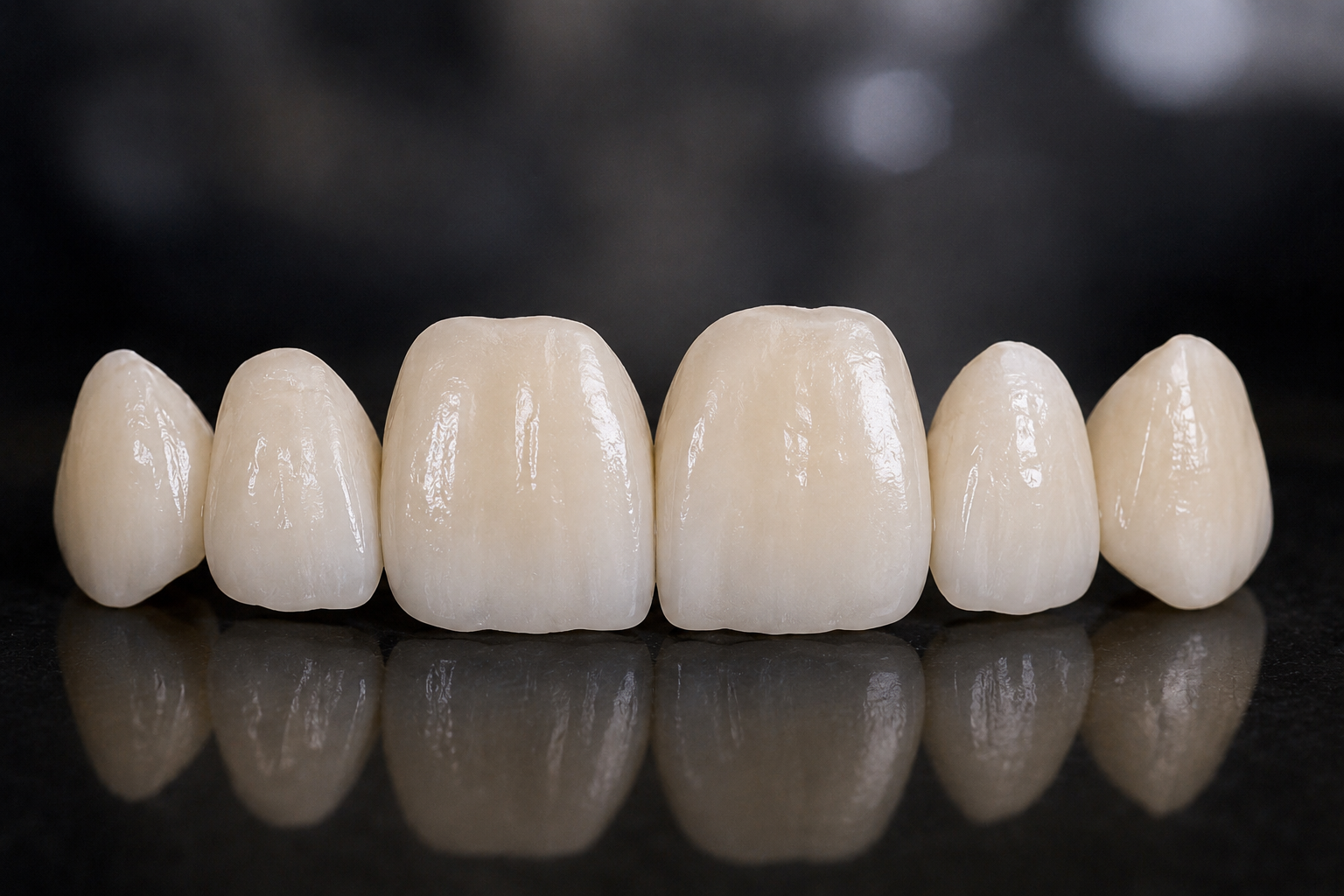
Bonding handles the small, everyday smile concerns that don't justify a bigger treatment. Here are the most common reasons patients book a bonding visit at our Springfield office.
A small chip from a fall, a hard bite, or daily wear. Bonding rebuilds the tooth's edge in minutes. Bigger breaks are handled through broken tooth repair.
A narrow gap that bothers you when you smile or speak. Bonding closes it without orthodontics.
Years of grinding or chewing can wear down tooth edges. Bonding restores the original shape, sometimes paired with tooth contouring.
Stains from medication, trauma, or old fillings that bleaching can't remove. Bonding covers them.
One tooth slightly shorter or pointier than its neighbor. Bonding evens out the smile line.
Receding gums leaving sensitive areas exposed. Bonding covers them and reduces sensitivity.
Most single-tooth bonding visits run about an hour from start to finish. Here's exactly how that hour breaks down.
Bonding and dental veneers can both improve a smile, but they fit different situations. Here's how Dr. Collins decides which to recommend.
Composite bonding typically lasts 5 to 10 years with simple, consistent care. A few habits make a big difference in how long your fix holds up.
Treat bonded teeth like natural teeth. Daily brushing and flossing keep them clean and protect the bond line from staining or decay.
Composite is strong but not as hard as enamel. Skip biting nails, chewing ice, and using your teeth as tools.
Composite can stain over time more than porcelain. Rinsing or brushing after coffee, tea, red wine, and dark sauces helps.
If you grind or clench at night, a custom night guard prevents wear and chipping on bonded teeth.
Routine dental cleanings let us check the bond line and polish the composite to keep it looking fresh.
If a small chip happens, call us. Bonding can usually be repaired or refreshed in another quick visit.
Two Rivers Dental Group provides bonding for patients from Springfield and the surrounding Lane County communities. Bonding is the quickest fix in our cosmetic dentistry care. Our office at 1717 Centennial Blvd, Suite #3 is open Tuesday through Friday, 8:00 AM to 5:00 PM. Call 541-287-7874 to book a single-visit bonding appointment.
Composite bonding typically lasts 5 to 10 years with simple, consistent care. Daily brushing and flossing, avoiding hard objects like ice and fingernails, and routine cleanings all extend the life of the bond. Small chips can usually be repaired in another quick visit.
No. In most cases dental bonding needs no anesthesia and no drilling. The tooth is cleaned, a mild conditioner is applied, and the composite is sculpted and cured in layers. Most patients describe it as one of the easiest dental visits there is.
Bonding is the most affordable cosmetic treatment we offer, and the total depends on how many teeth are involved. You get a clear written estimate at our Springfield office before any work begins, so there are no surprises.
No. Composite doesn't respond to bleaching the way natural enamel does, which is why the order matters. If you want a brighter smile, whiten your teeth first, and then we match the dental bonding to your new shade so everything blends.
Thinking about brightening first? Start with professional teeth whitening, then book bonding to match your new shade.
Schedule a single-visit bonding appointment with Dr. Collins at our Springfield office. Most cases finish in about an hour.
541-287-7874